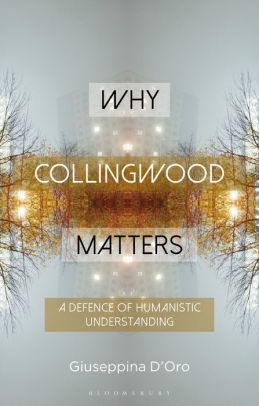
Why Collingwood Matters: A Defence of Humanistic Understanding by Giuseppina D'Oro, Constantine Sandis, Evgenia Mylonaki
Download Book ▶️ Link
Read Book Online ▶️ Link
- Why Collingwood Matters: A Defence of Humanistic Understanding
- Giuseppina D'Oro, Constantine Sandis, Evgenia Mylonaki
- Page: 232
- Format: pdf, ePub, mobi, fb2, azw3, kfx
- ISBN: 9781350428621
- Publisher: Bloomsbury Academic
Download or Read Online Why Collingwood Matters: A Defence of Humanistic Understanding Free Book (PDF ePub Mobi) by Giuseppina D'Oro, Constantine Sandis, Evgenia Mylonaki Why Collingwood Matters: A Defence of Humanistic Understanding Giuseppina D'Oro, Constantine Sandis, Evgenia Mylonaki PDF, Why Collingwood Matters: A Defence of Humanistic Understanding Giuseppina D'Oro, Constantine Sandis, Evgenia Mylonaki Epub Windows, Why Collingwood Matters: A Defence of Humanistic Understanding Giuseppina D'Oro, Constantine Sandis, Evgenia Mylonaki Read Online, Why Collingwood Matters: A Defence of Humanistic Understanding Giuseppina D'Oro, Constantine Sandis, Evgenia Mylonaki Audiobook, Why Collingwood Matters: A Defence of Humanistic Understanding Giuseppina D'Oro, Constantine Sandis, Evgenia Mylonaki VK, Why Collingwood Matters: A Defence of Humanistic Understanding Giuseppina D'Oro, Constantine Sandis, Evgenia Mylonaki Kindle, Why Collingwood Matters: A Defence of Humanistic Understanding Giuseppina D'Oro, Constantine Sandis, Evgenia Mylonaki Epub MacOS, Why Collingwood Matters: A Defence of Humanistic Understanding Giuseppina D'Oro, Constantine Sandis, Evgenia Mylonaki Free Download
Overview
R.G. Collingwood (1889-1943) was an English philosopher, historian and practicing archaeologist. His work, particularly in the philosophy of action and history, has been profoundly influential in the 20th and 21st century. Although the importance of his work is indisputable, this is the first book to consider how and why it actually matters. Giussepina D'oro considers the importance of Collingwood as a thinker who thinks kaleidoscopically and, unlike lots of contemporary philosophers, refuses to focus on narrow, technical interests but instead, observes the whole world of thought. Why Collingwood Matters revives Collingwood's conception of the role and character of philosophical analysis and shows how it informs his understanding of the mind, what it means to act, and what it means to understand the past historically. It also argues for the relevance of his metaphilosophical approach to the challenge posed by the Anthropocene and the global environmental crisis. Both an elucidation of Collingwood's thought and a lively exploration of it's contemporary relevance, Why Collingwood Matters provides a much-needed examination of a 20th-century polymath.